09 – The importance of confluences
-
description DescriptionOpen Close
Natural connections
In this part of the valley, numerous side streams flow down from the slopes and join the Ticino: where their waters meet the river, confluences are formed, environments of great ecological value. The waters of the streams are generally colder, clearer and richer in oxygen. When they mix with those of the main river, they create favourable conditions for many forms of life. These contrasts generate small, unique environments: clean gravel for fish to lay their eggs, calm pools for amphibians and aquatic insects, and wetlands for plants and invertebrates.Confluences act as gateways: for fish, they are natural corridors allowing them to swim upstream for reproduction; for amphibians, they provide safe havens during seasonal migrations; for waterbirds and small mammals, they become resting and hunting spots. Within just a few metres, functions vital to the entire river ecosystem are concentrated.
In addition to their ecological value, confluences also play a role in maintaining hydrological balance: they allow the river to receive fresh water and sediment from the slopes, keeping the connection between the main course and the surrounding area alive. If they were closed off or altered, the river would lose some of its vitality and many species would be left without a habitat.
Protecting and enhancing these confluences therefore means ensuring ecological continuity and strengthening the link between the River Ticino and its tributaries. These are small but crucial areas, which demonstrate how environmental diversity makes an ecosystem more stable, resilient and teeming with life.
Did you know that…
The toad is not the male of the frog but a different species altogether?
There is a male frog just as there is a female toad!
-
image IllustrationsOpen Close
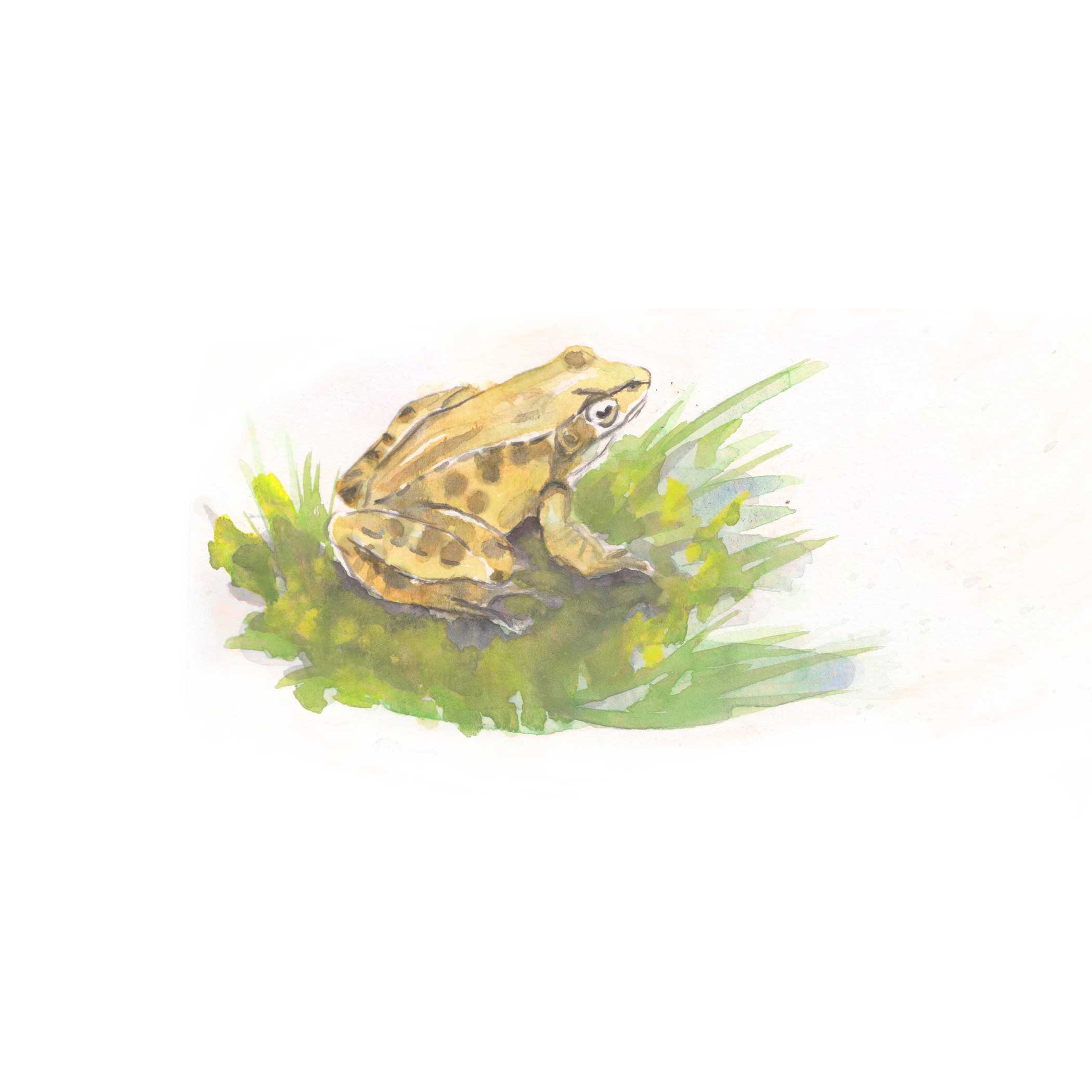
Common frog (Rana temporaria) Skin in various shades of brown, without or with few warts
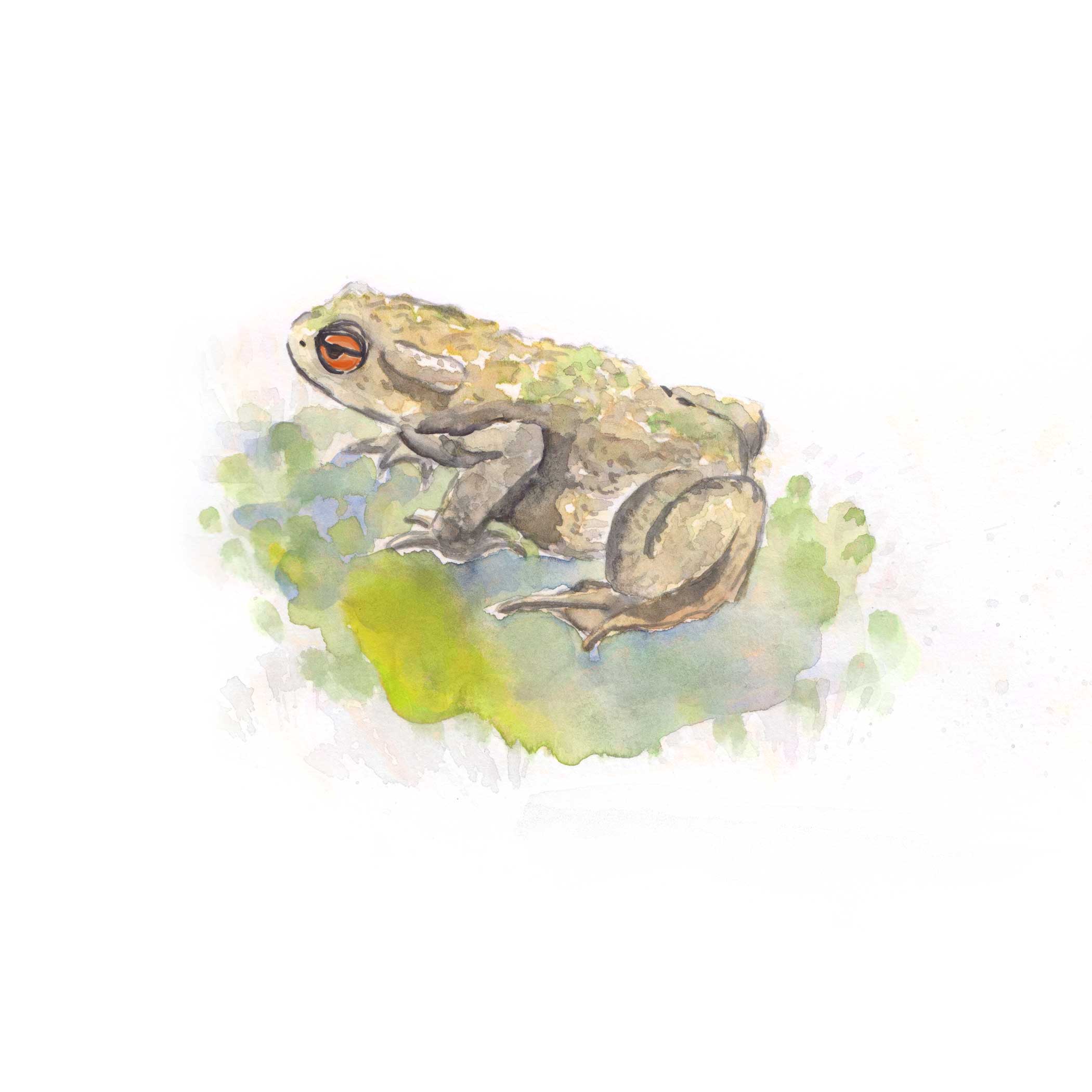
Common toad (Bufo bufo) Brown skin with many warts: the warts contain antibiotic substances against bacteria and mycoses (tiny fungi), copper-coloured eyes
-
photo_camera PhotographsOpen Close
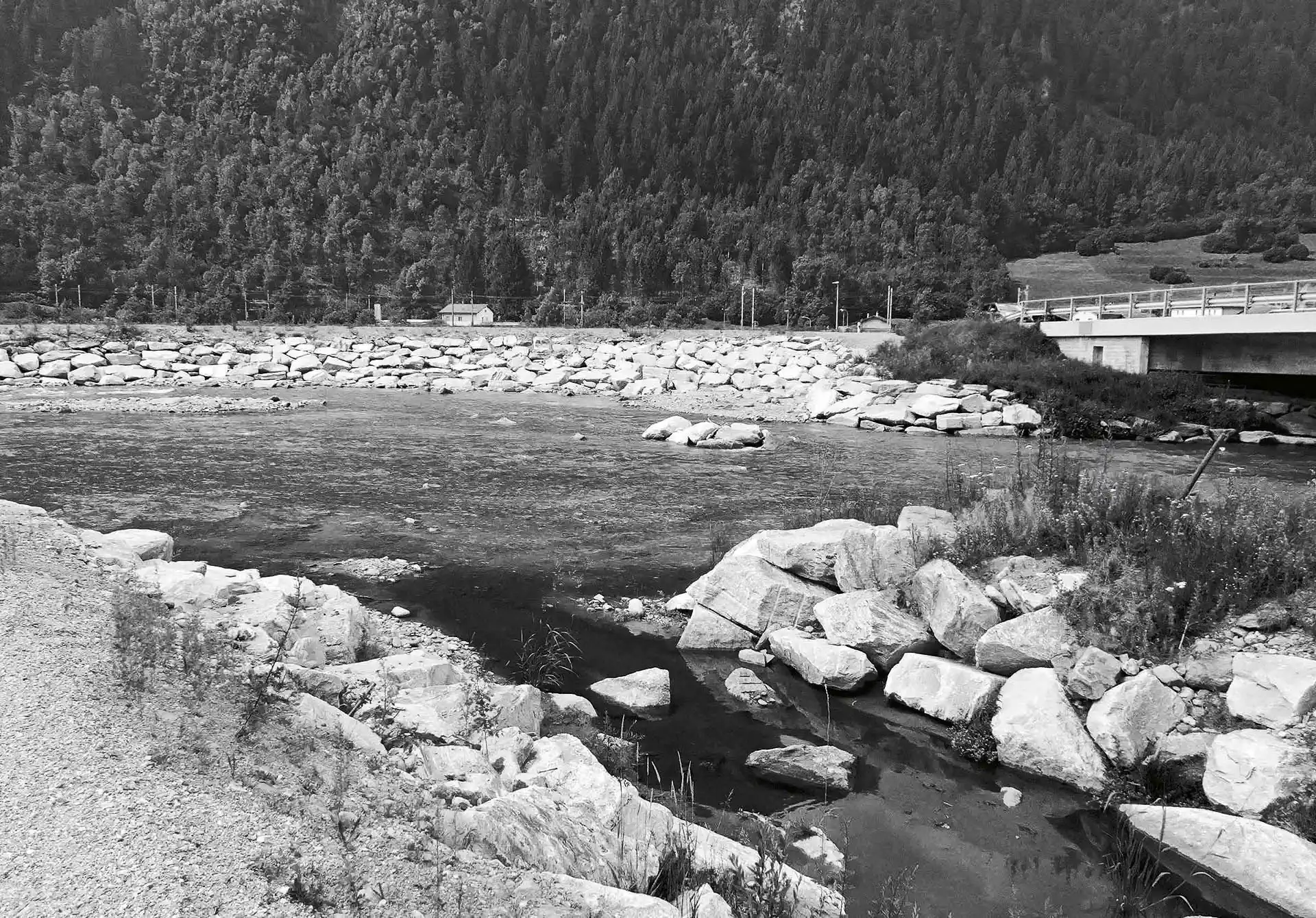
1) The confluence of the Rì d’Arbione It has been widened and lowered so that water is always present for the first 15 meters, acting as a refuge area during high flow periods.
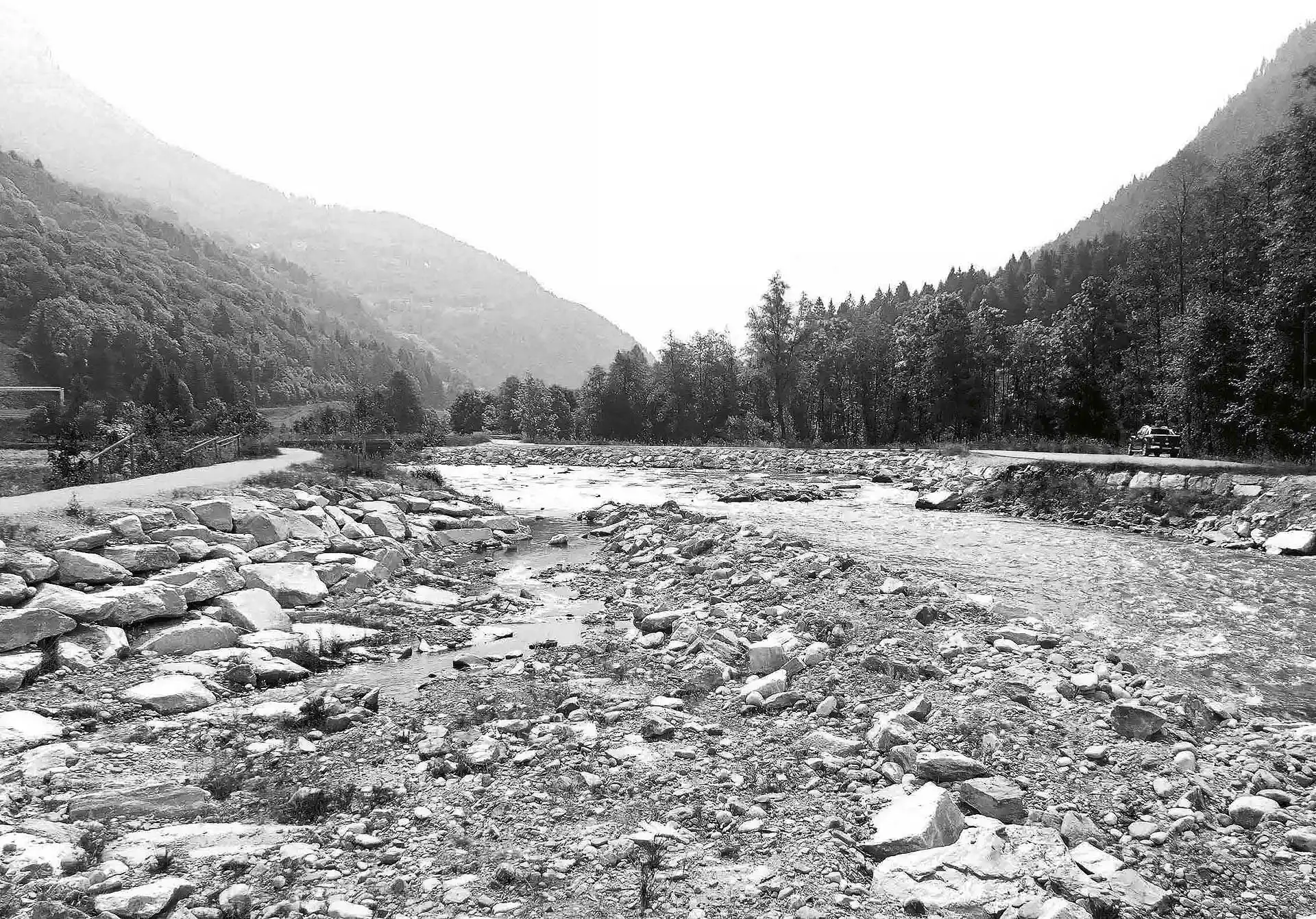
2) The confluence of the Rì Pesta It has been fully restored and now joins the Ticino River in a parallel way. It also serves as a refuge area for fish fauna during flood events.
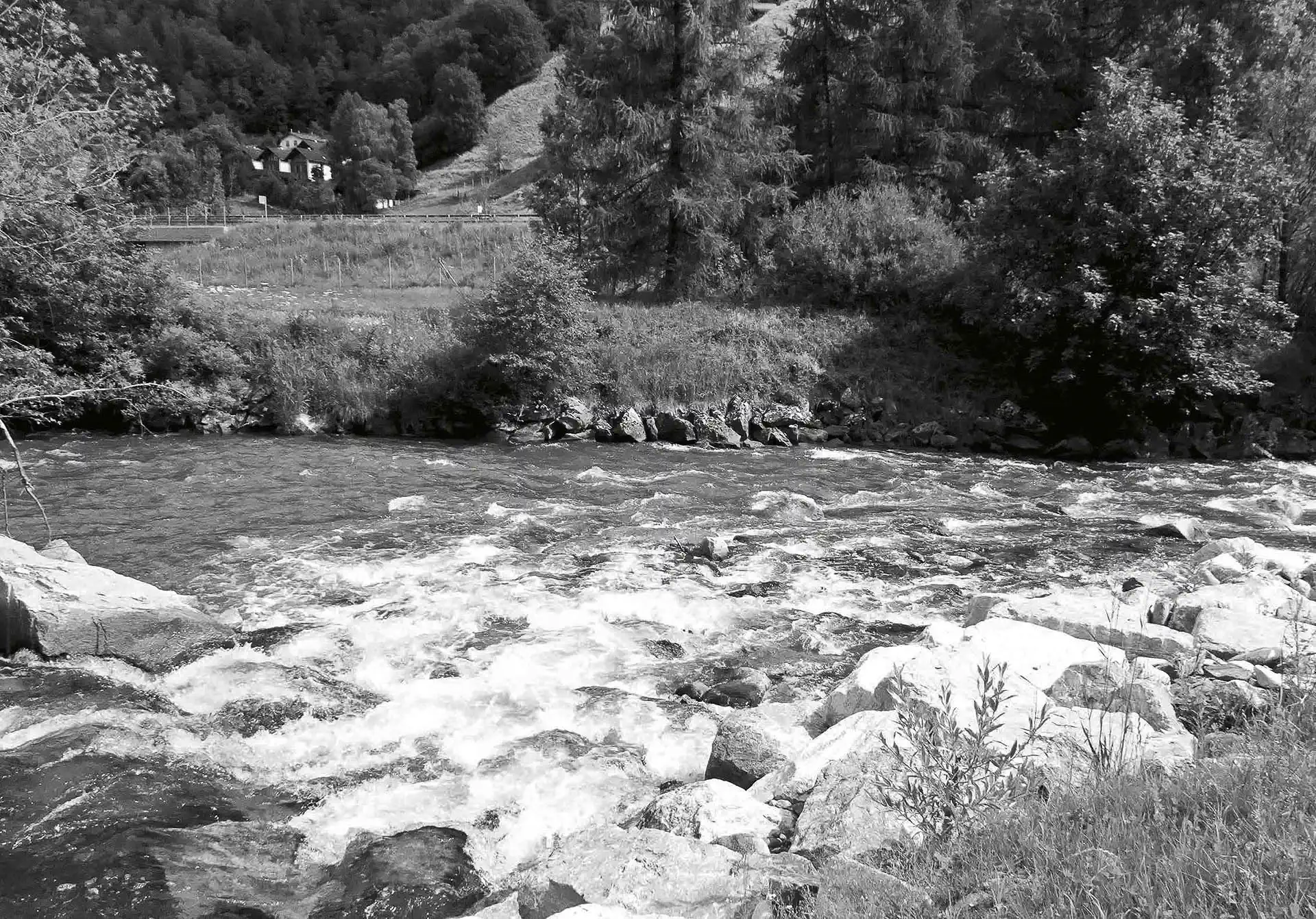
3) The confluence with the Rì Secco It has been equipped with a block ramp that eliminates the height jump and now allows fish to migrate freely between the two watercourses.
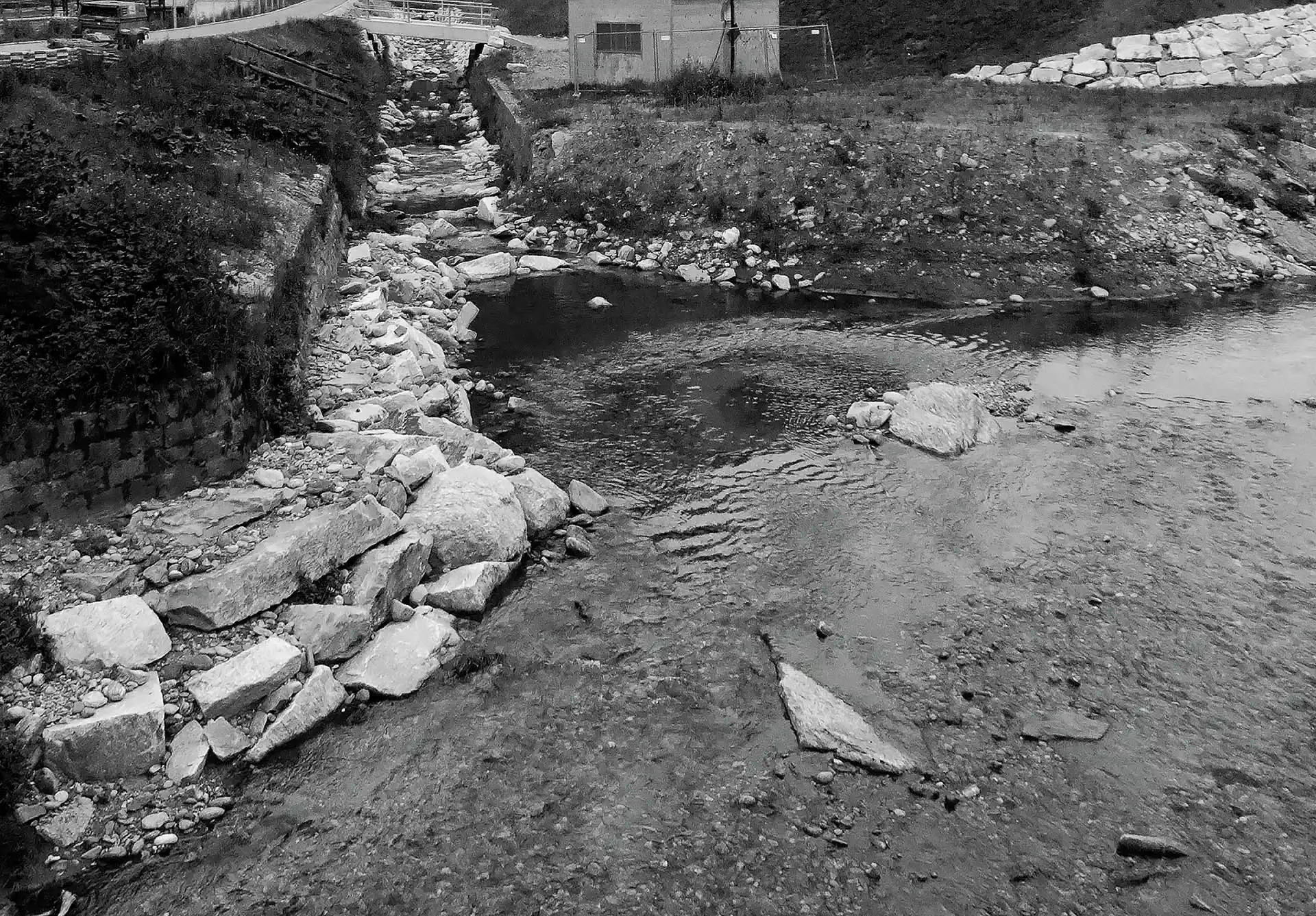
4) The confluence of the Lagasca with the Ticino River It aims to become a dynamic wetland where plant species can also develop and provide shelter for fauna and flora.
-
cards_stack Play along the river