04 – Micro-meanders and measures for a more vibrant river
-
description DescriptionOpen Close
In the stretch between Piotta and Rodi-Fiesso, micro-meanders have been created that mimic the natural meanders of rivers through artificial bends in the watercourse.
These structures help to slow the current, distribute water more effectively during changes in flow rate, encourage the flushing of fine sediments and create more favourable conditions for aquatic fauna, thereby mitigating the effects of the river’s irregular flow caused by the discharge of water from the hydroelectric power station.
During changes in flow rate, the water gradually occupies new sections of the riverbed, recreating a more natural river dynamic and promoting habitat diversity.
Along the route, other structures designed to increase the ecological and morphological complexity of the River Ticino can be observed:
- Weirs: these are small, sloping barriers made of wood or stone that partially divert the flow and create calm or turbulent areas
- Clusters: these are groups of boulders that provide shelter, shade and spawning grounds for fish and invertebrates
- Log sections: these are strategically placed in the riverbed to slow the flow of water, encourage the formation of microhabitats and retain fine sediments
These measures allow us to observe how the river adapts over time to new forms, promoting a flexible approach to river management based on natural processes.
Did you know that…
Macroinvertebrates are important bioindicators for aquatic systems? Depending on the composition of the species communities found in the water, you can tell how the river is doing!
-
image IllustrationsOpen Close
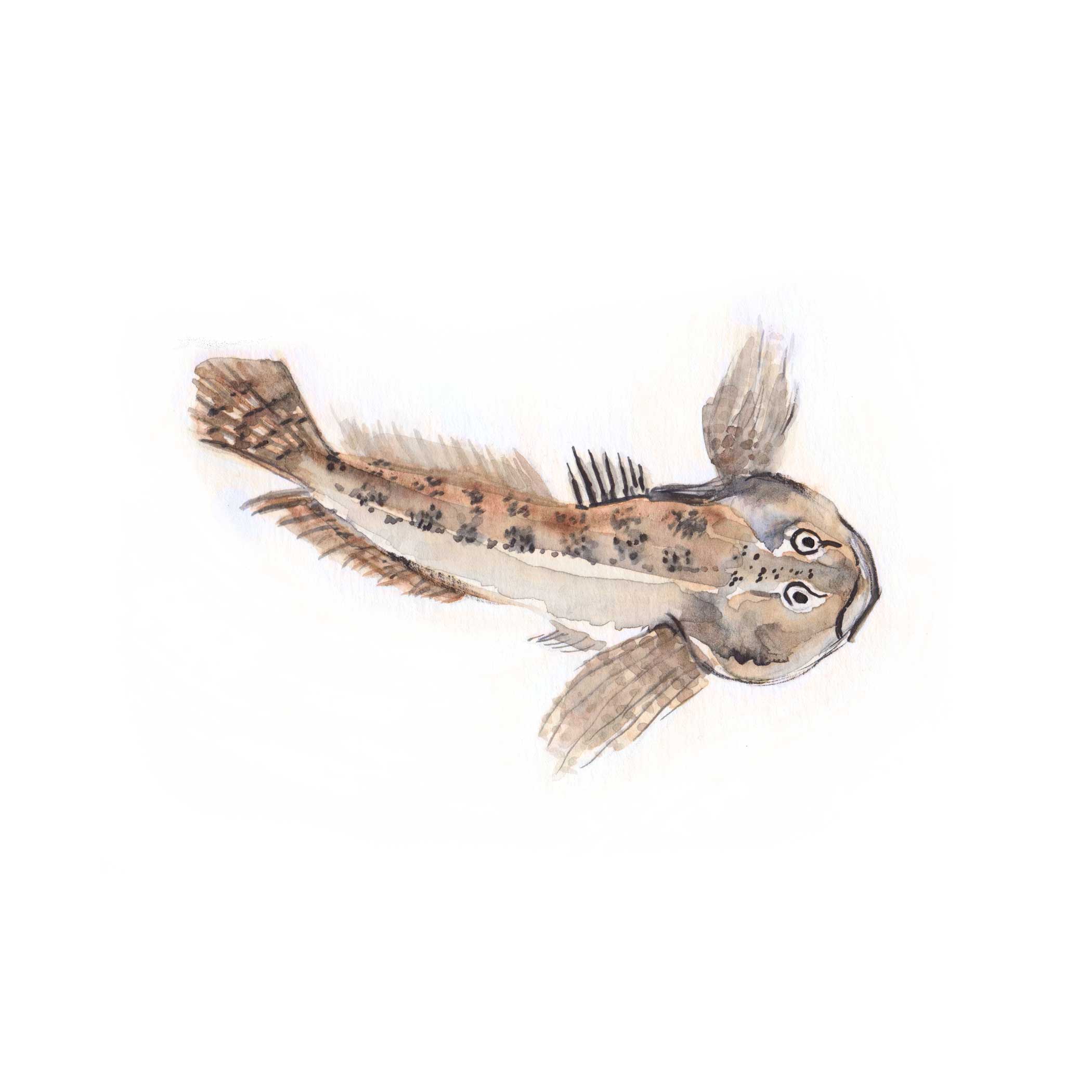
European bullhead Cottus gobio
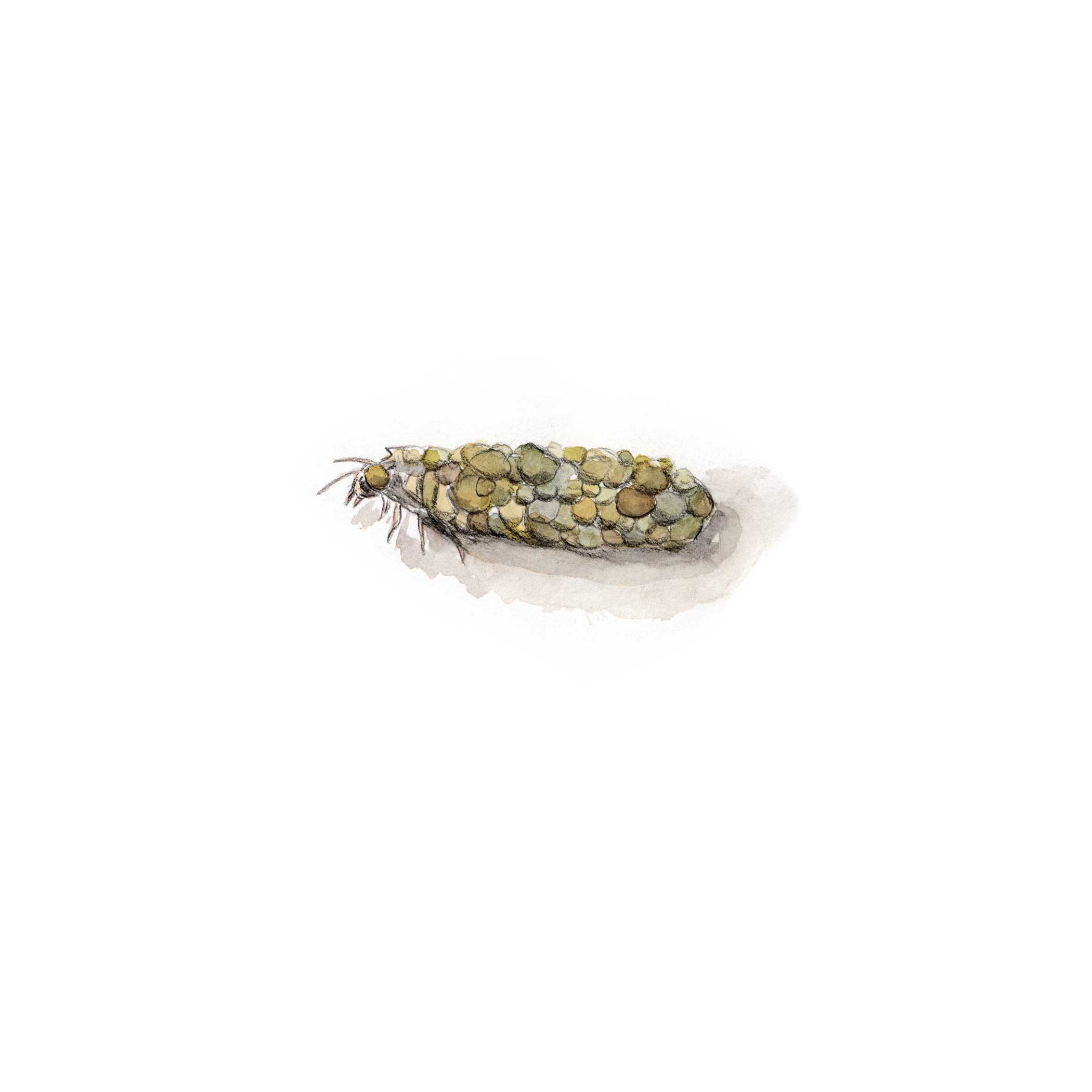
1) Caddisfly larvae It spend much of their time enclosed in a protective shell of stones. When they reach the adult stage, they become cute little brown butterflies fluttering along the riverbanks. It’s not uncommon to see trout leaping out of the water to try and catch them!
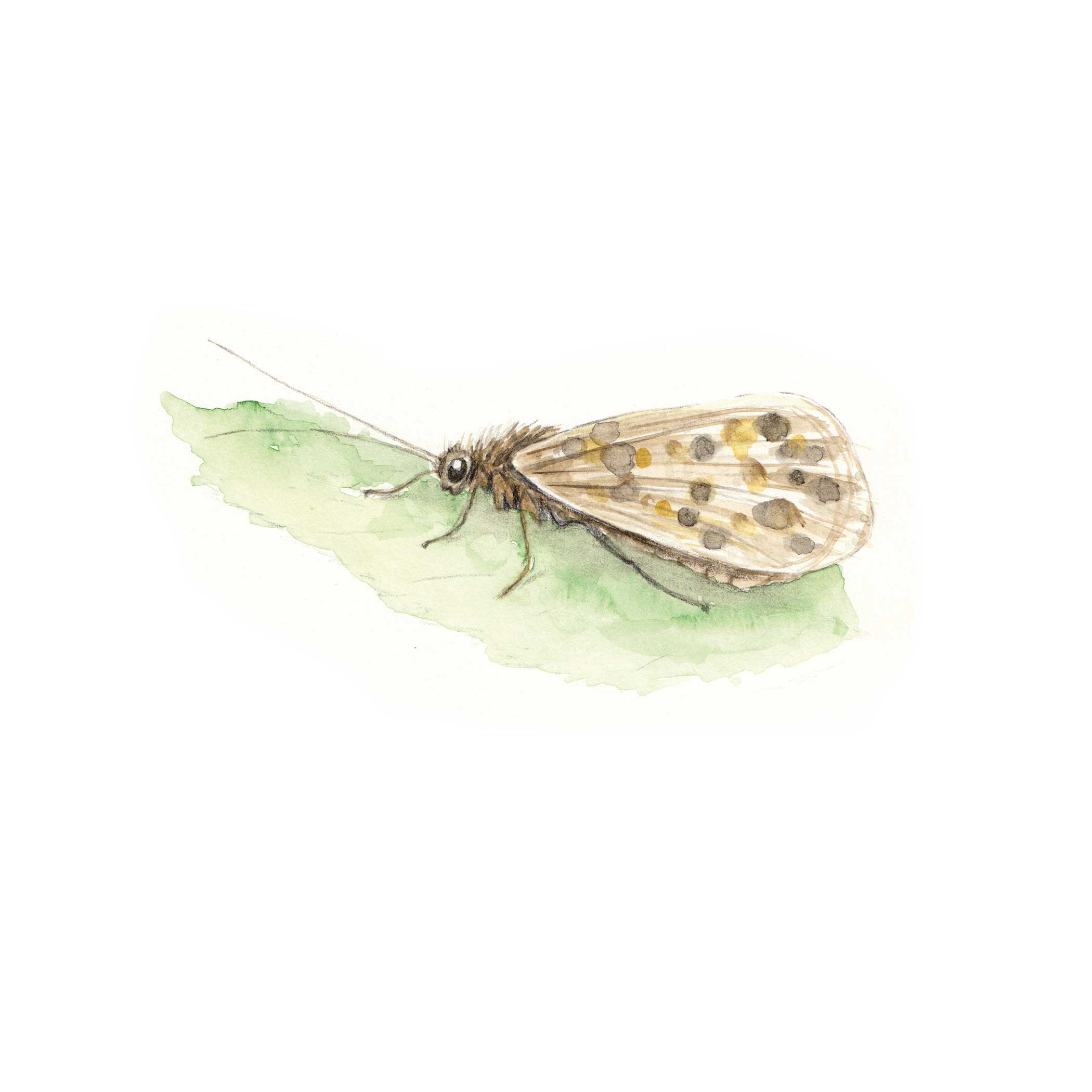
2) The adult caddisfly 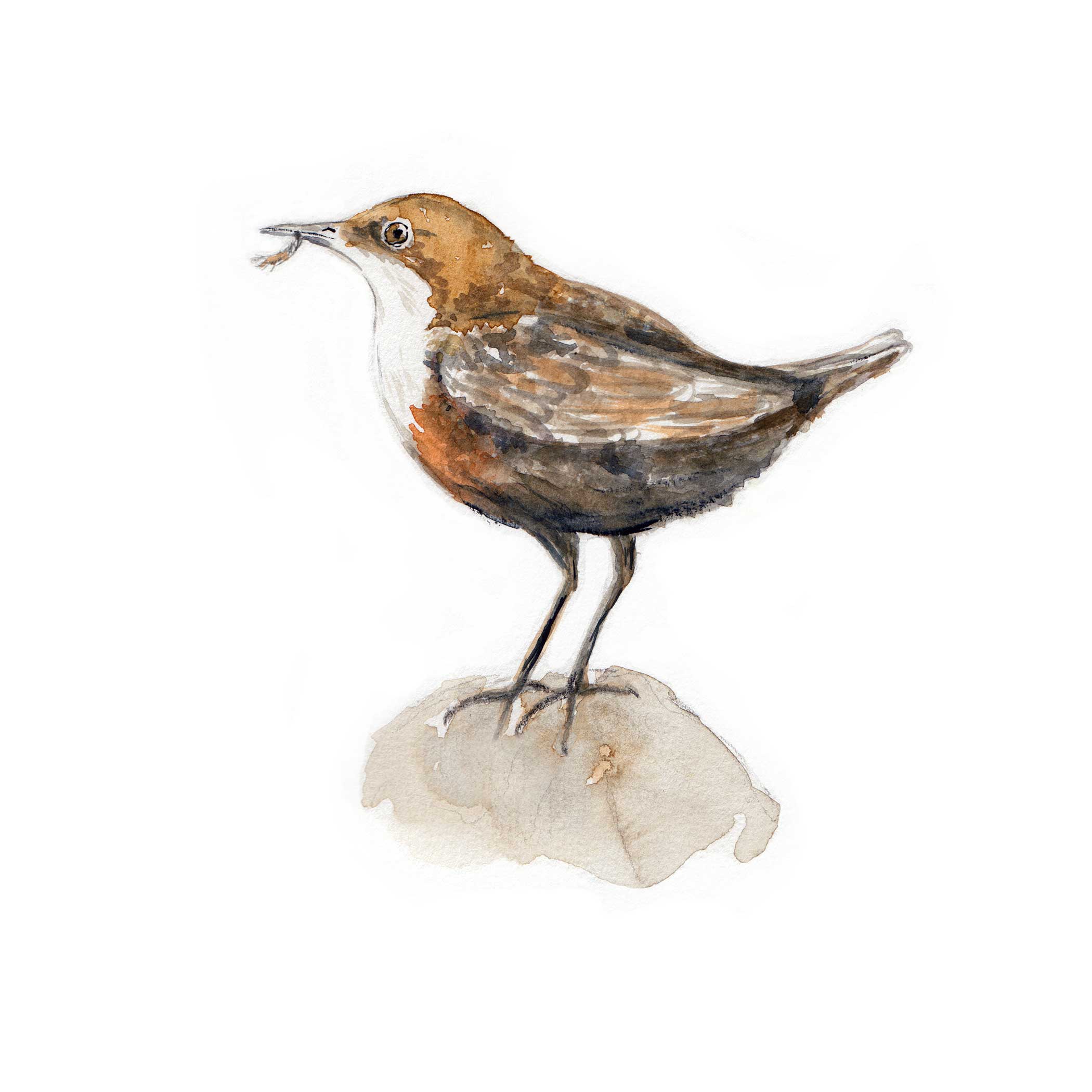
3) The dipper It feeds mainly on aquatic macroinvertebrates. To catch them, it dives and swims down to the riverbed before resurfacing with its prey in its beak!
-
photo_camera PhotographsOpen Close
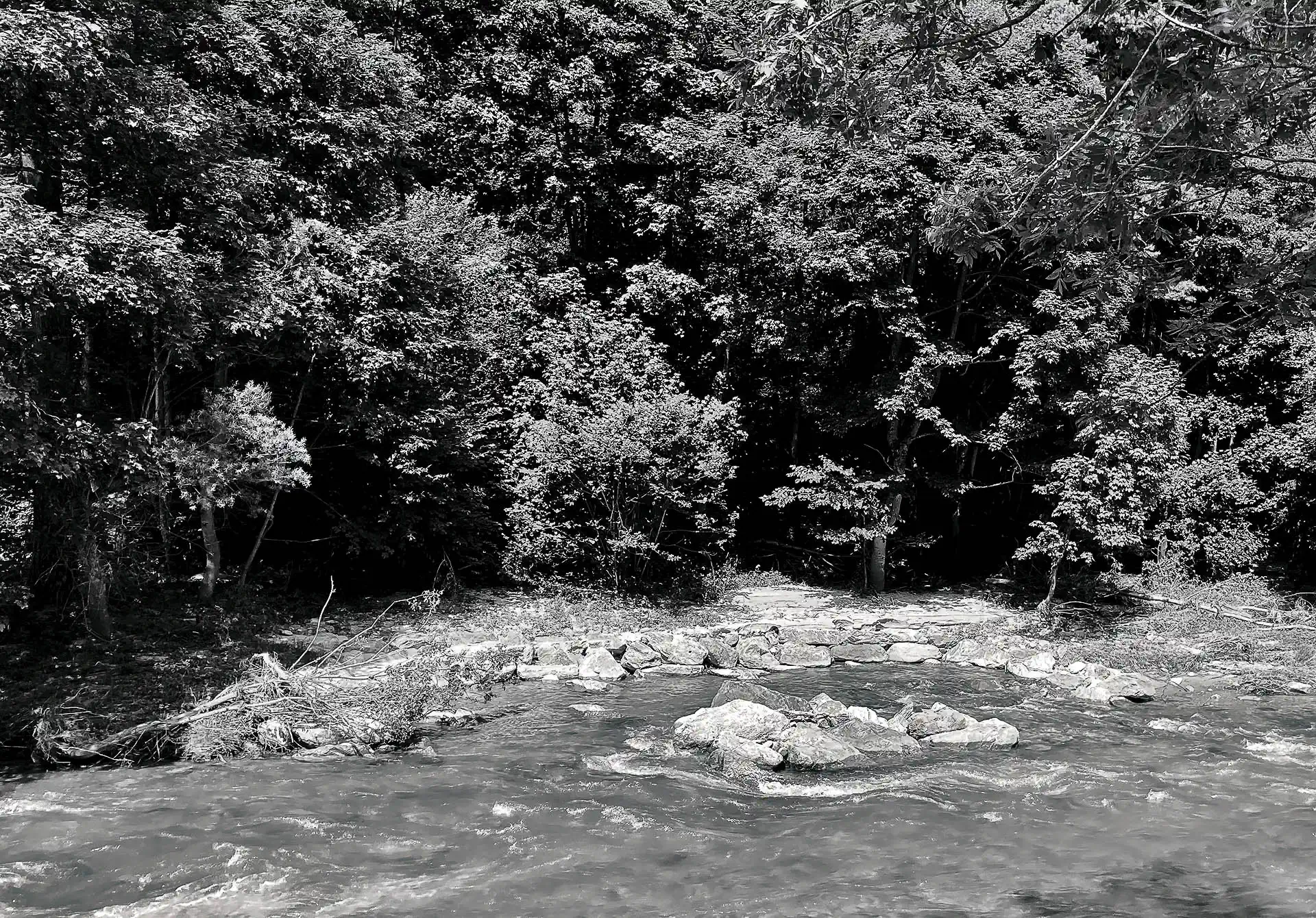
Meander 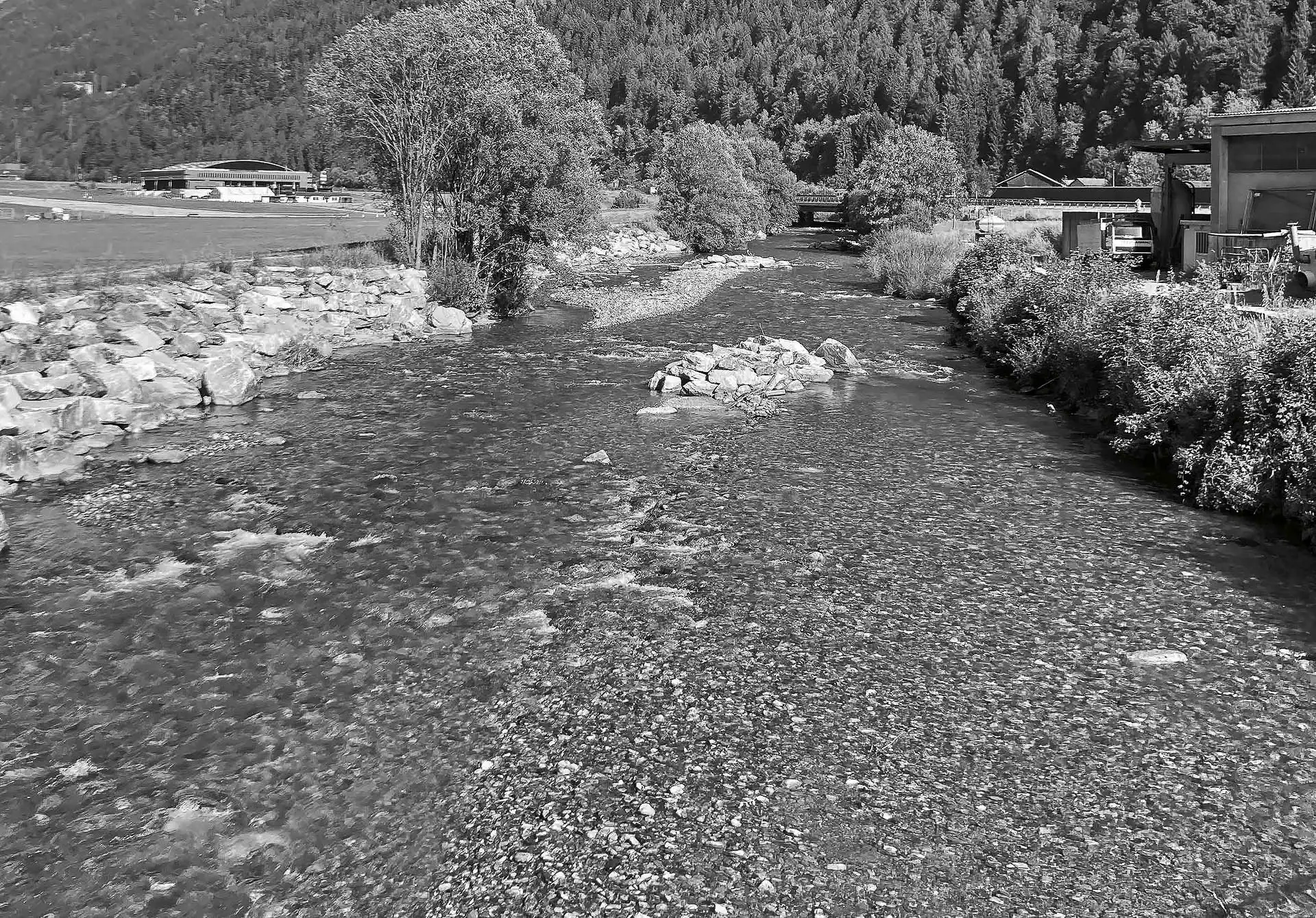
Cluster 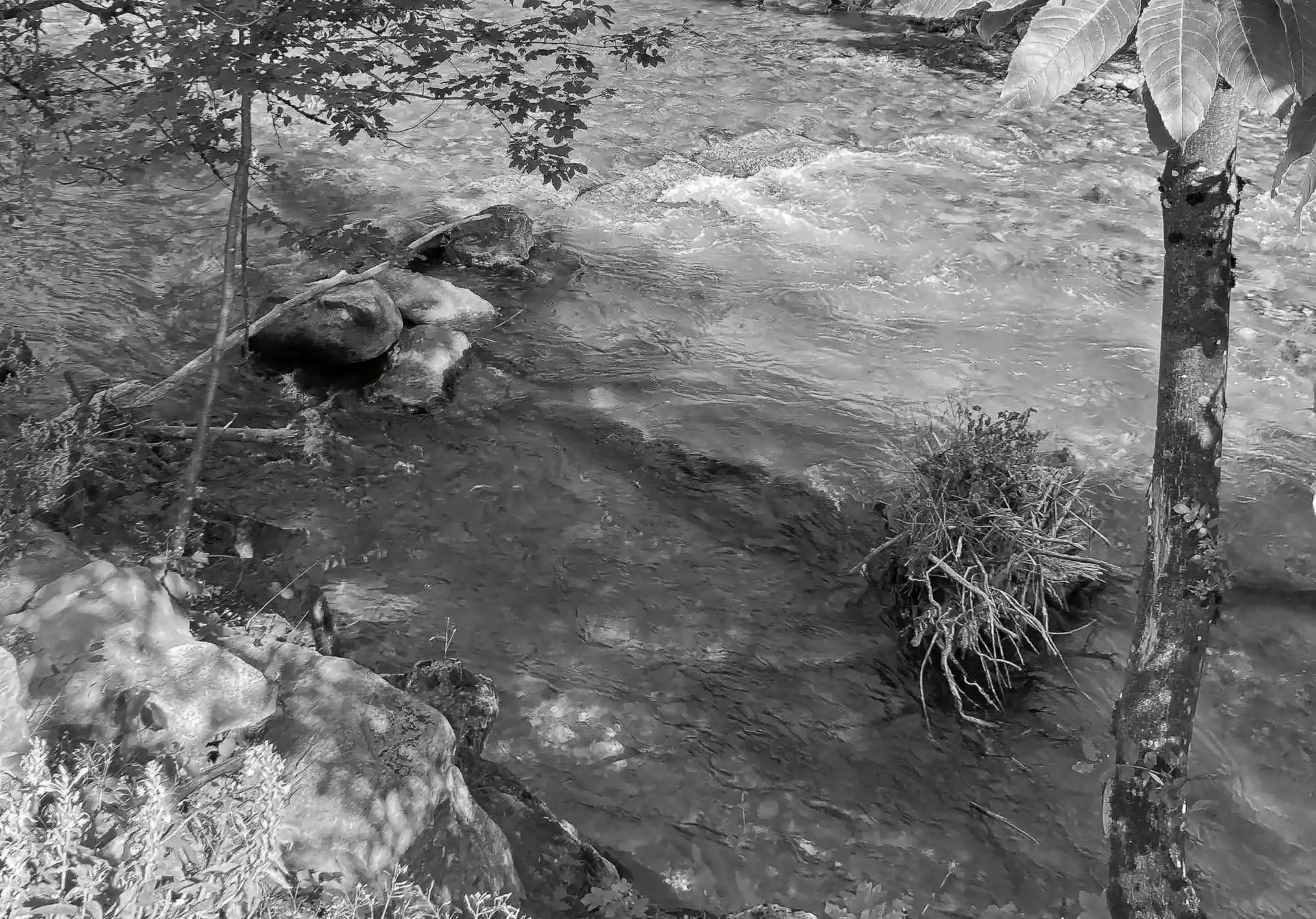
Cluster with stump -
cards_stack Play along the riverOpen Close
04 – Activity in the territory
Find two small sticks/twigs and throw them into the river at different points.
Observe how they behave in the current. Their speed and paths change depending on the obstacles and structures they encounter while floating downstream. Try to follow them until you reach the next station!